Контент
Пленка ПВХ с текстурой дерева — это декоративный поверхностный материал из поливинилхлорида, на который нанесена печать и тиснение, имитирующее внешний вид и текстуру настоящего дерева. Производители используют передовые технологии печати, чтобы воспроизводить текстуру натурального дерева с потрясающей детализацией, вплоть до тонких цветовых вариаций и линий текстуры, которые можно ожидать от натуральной древесины, а затем ламинируют эту пленку на такие подложки, как МДФ, ДСП, металлические или алюминиевые профили. В результате получается поверхность, которая выглядит и ощущается удивительно близкой к массивной древесине, за небольшую часть стоимости и без каких-либо проблем с обслуживанием, которые свойственны натуральной древесине.
Эта пленка стала популярным материалом при производстве мебели, межкомнатных дверей, кухонных шкафов, оконных рам и даже для отделки алюминиевых профилей для строительных проектов. Его популярность сводится к простому ценовому предложению: он обеспечивает теплую, естественную эстетику, которую люди любят в дереве, предлагая при этом лучшую долговечность, влагостойкость и экономическую эффективность, чем массив дерева или даже многие виды деревянного шпона.
Понимание производственного процесса помогает объяснить, почему качество так сильно различается в разных странах. пленка ПВХ под дерево продукции, представленной сегодня на рынке.
Процесс начинается с базовой ПВХ-пленки, которая подвергается глубокой печати — технике, при которой на поверхность пленки с помощью гравированных валиков и специальных чернил переносится детальный рисунок текстуры древесины. Высококачественные производители используют несколько цветных слоев и мелкую гравировку, чтобы избежать повторяющихся, искусственных узоров, которые свойственны пленкам более низкого качества, создавая вместо этого естественный, неповторяющийся вид зерна на больших площадях поверхности.
После печати пленка проходит через валики для тиснения, которые прижимают к поверхности текстурированный рисунок, соответствующий линиям текстуры напечатанного рисунка. Именно этот шаг придает пленке ПВХ с текстурой древесины ее подлинное тактильное ощущение: проведя по ней рукой, вы действительно можете почувствовать тонкие гребни и канавки, которые имитируют текстуру настоящей древесины, а не сталкиваться с идеально ровной, явно синтетической поверхностью.
Перед намоткой пленки на рулоны, готовые к ламинированию, наносится защитное верхнее покрытие для повышения устойчивости к царапинам, устойчивости к ультрафиолетовому излучению и общей долговечности. Во время окончательного нанесения пленка прикрепляется к основе с помощью тепла и давления или специальных клеев, в зависимости от того, наносится ли она на плоские панели или контурные профили.
Этот универсальный материал используется во многих отраслях промышленности, где требуется внешний вид дерева без недостатков использования цельной древесины.
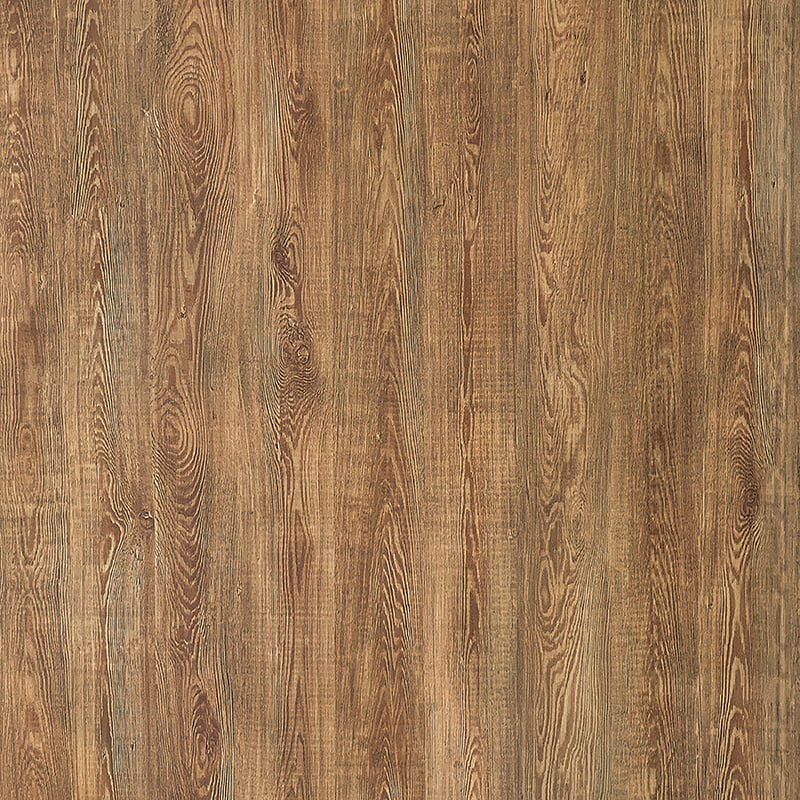
Пленка ПВХ с текстурой дерева — не единственный вариант для придания деревянного вида мебели или строительным материалам. Вот как это сочетается с распространенными альтернативами.
| Тип отделки | Влагостойкость | Относительная стоимость |
| Пленка ПВХ с древесным зерном | Отлично | От низкого до умеренного |
| Настоящий деревянный шпон | От плохого до умеренного | От умеренного до высокого |
| Меламиновый ламинат | Хорошо | Низкий |
| Твердая древесина | Плохо без герметика | Высокий |
Пленка ПВХ с текстурой древесины неизменно превосходит натуральный шпон из натурального дерева во влажных или высоковлажных средах, таких как кухни и ванные комнаты, поскольку она не набухает, не трескается и не обесцвечивается под воздействием воды, как изделия из натурального дерева с течением времени.
Не все пленки ПВХ с текстурой древесины обеспечивают одинаковое качество и характеристики. Учет этих факторов поможет вам выбрать фильм, отвечающий конкретным потребностям вашего проекта.
Более толстые пленки обычно обеспечивают лучшую устойчивость к царапинам и ударам, что делает их более подходящими для поверхностей с интенсивным движением, таких как дверцы шкафов и мебель, которые используются ежедневно. Более тонкие пленки могут подойти для применений с меньшим контактом, таких как декоративные стеновые панели или элементы отделки.
Если пленка будет наноситься на оконные рамы, наружные двери или любую поверхность, подвергающуюся воздействию прямых солнечных лучей, важно проверить состав на устойчивость к ультрафиолетовому излучению. Пленки без адекватной защиты от ультрафиолета могут выцвести, пожелтеть или стать хрупкими в течение нескольких лет воздействия солнечных лучей.
Правильное нанесение и уход во многом способствуют тому, чтобы поверхности, отделанные пленкой ПВХ под дерево, выглядели острыми в течение многих лет.
Края и углы, как правило, являются наиболее уязвимыми местами на любой ламинированной поверхности, поэтому особое внимание во время установки, чтобы убедиться, что края правильно запечатаны или обернуты, значительно снизит риск отслоения или подъема по дороге.
Пленка ПВХ с текстурой дерева предлагает впечатляющее сочетание естественной эстетики, долговечности и экономической эффективности, которое трудно сравнить с традиционной отделкой деревом. Независимо от того, производите ли вы шкафы, отделываете алюминиевые оконные рамы или строите мебель, которая должна выдерживать ежедневный износ и воздействие влаги, выбор правильной толщины пленки, качества рисунка и уровня защиты от ультрафиолета имеет решающее значение для конечного результата. При правильной установке и элементарном уходе пленка ПВХ с древесной текстурой может сохранять теплый, естественный вид настоящего дерева в течение многих лет без необходимости ухода, который требуется от массивной древесины.



Контакт
 Адрес китайской компании: № 5 дорога Чжаоцзя, посёлок Хэнлинь, район Уджин, город Чанчжоу, Провинция Цзянсу, Китай, Yunchang Decorative Materials Co., Ltd.
Адрес завода во Вьетнаме: GNP Йен Бинь 1 - Промышленный центр (Лот CN13,CN18, Промышленный парк Йен Бинь, район, Днг Тьен, Ph8 Йен, Тай Нгуен 24000)
Адрес завода в Таиланде: 289/12 Moo 7, подрайон Клонг Киу, район Бан Буенг, Чонбури 20220, Таиланд.
Адрес китайской компании: № 5 дорога Чжаоцзя, посёлок Хэнлинь, район Уджин, город Чанчжоу, Провинция Цзянсу, Китай, Yunchang Decorative Materials Co., Ltd.
Адрес завода во Вьетнаме: GNP Йен Бинь 1 - Промышленный центр (Лот CN13,CN18, Промышленный парк Йен Бинь, район, Днг Тьен, Ph8 Йен, Тай Нгуен 24000)
Адрес завода в Таиланде: 289/12 Moo 7, подрайон Клонг Киу, район Бан Буенг, Чонбури 20220, Таиланд.
 Тел: +86-13685281168
+86-13813687178
Тел: +86-13685281168
+86-13813687178
 Э-почта: [email protected]




 English
 русский